
Planned Just So
TM
The planning system for upper elementary ELA teachers
plan well • work less • live more
Does this sound familiar?
You sit down to plan — and immediately feel stuck. You're flipping between pacing guides, curriculum binders, and five open tabs on your laptop, while the clock ticks and Monday comes.
So you carry it home. Another weekend disappears into planning. And the Sunday-night dread settles in, right on schedule.
If you’re feeling overwhelmed by your current planning situation, it's not you. It's the system you were handed - one that was never built to make this sustainable.

Hello!
I've been exactly where you are now.
I spent more than a decade as the teacher everyone came to — first one in, last one out, and quietly drowning. Not because I didn't love it, but because no one ever gave me a system that made loving it sustainable.
So I built one.
I'm Jennifer Oatts — teacher, planning coach, and creator of the Planned Just So™ method. I have a master's in literacy, advanced training in curriculum development and planning, and have helped hundreds of teachers get their weekends back.
I can do the same for you.
You spent less time planning, and your lessons were more engaging and rigorous - not less.
Your whole year was mapped, so you always knew what was next. No more scrambling.
You never again lost an evening hunting for activities and hoping they met your standards.
All of that is possible when you have a real system for planning.
What if:
Here's how it works:
First, map your year. Start with where you want your students to land, and plan backward from there.
Next, plan once and reuse it all year. Build repeatable systems so you don't face a blank page every week.
Get your weekends back. Walk in Monday with a plan you trust and walk out on Friday with your weekend yours.
Simple, on purpose. The last thing you need is another complicated system.
Here’s what’s inside:
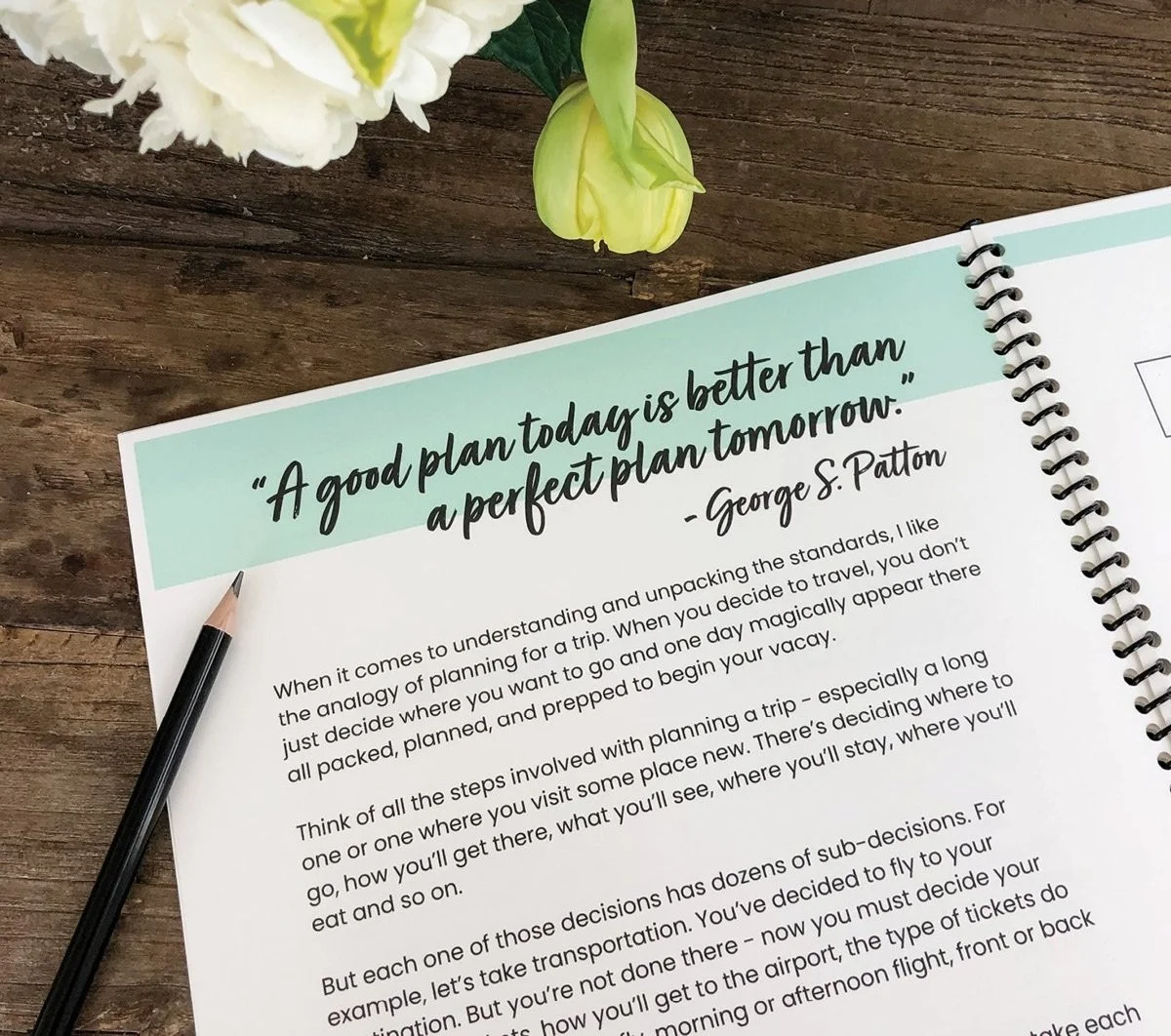
MODULE ONE
The Foundations of Backward Planning
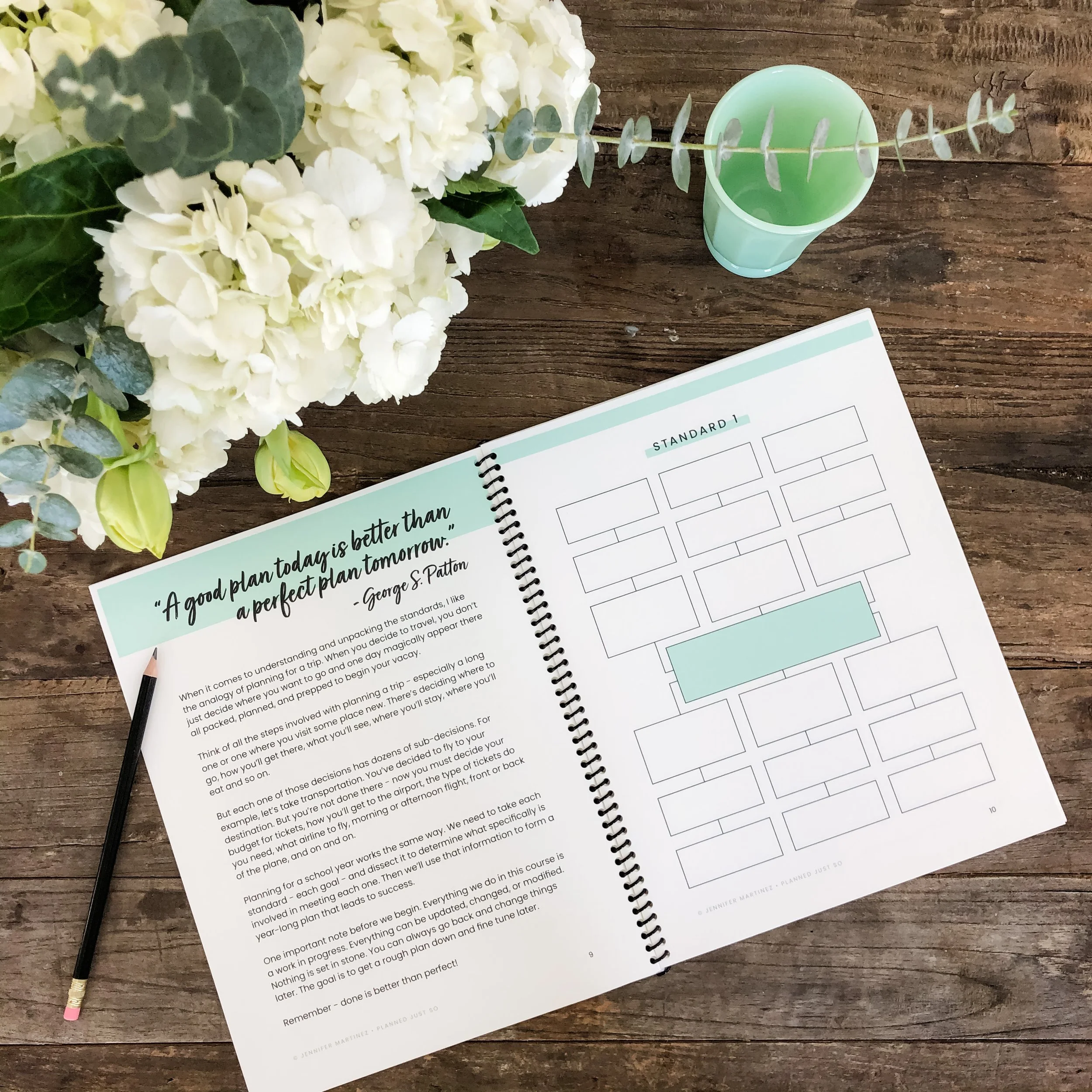
Master the method that transforms your planning from scattered to strategic. In this foundational module, you'll learn how to reverse-engineer powerful units by starting with the why. Instead of grabbing random activities, you’ll clarify your learning targets and build everything around deep, lasting understanding.
1.1 – Why Backward Design Works: Discover how backward planning anchors your instruction in purpose and clarity.
1.2 – The Three Stages of Backward Planning: Break down the exact sequence for goal-first unit design.
1.3 – From Coverage to Transfer: Shift from rushing through content to creating skills students can actually use.
1.4 – Understanding Transfer Goals: Learn to write goals that go beyond standards—and into students' lives.
1.5 – Writing Essential Questions: Craft questions that drive engagement, inquiry, and deeper thinking.
1.6 – What’s Worth Knowing vs. Transferring: Get crystal clear on what really deserves your time—and theirs.
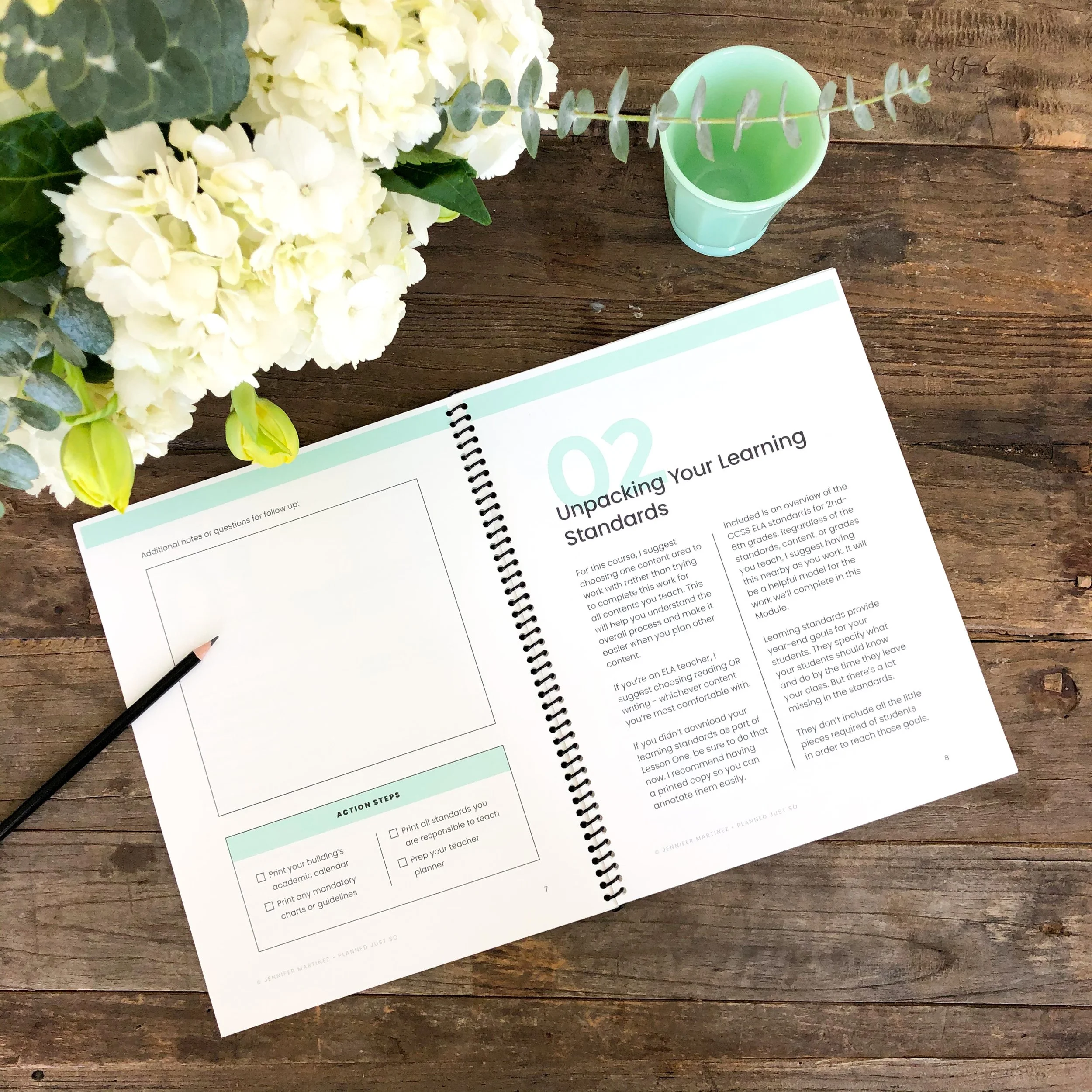
MODULE TWO
From Standards to Aligned Goals
Tired of drowning in standards? This module helps you cut through the clutter and pinpoint what matters most. Learn how to unpack standards into meaningful skills and align them seamlessly with your unit goals.
2.1 – Unpack Standards into Skills: Translate abstract standards into teachable, trackable outcomes.
2.2 – Select Priority Standards That Drive the Unit: Focus your energy on what matters most.
2.3 – Map Standards to Transfer Goals: Connect big ideas and essential questions to your mandated curriculum.
2.4 – Connect Unit Goals to Weekly Learning Targets: Turn long-term goals into weekly checkpoints that drive progress.
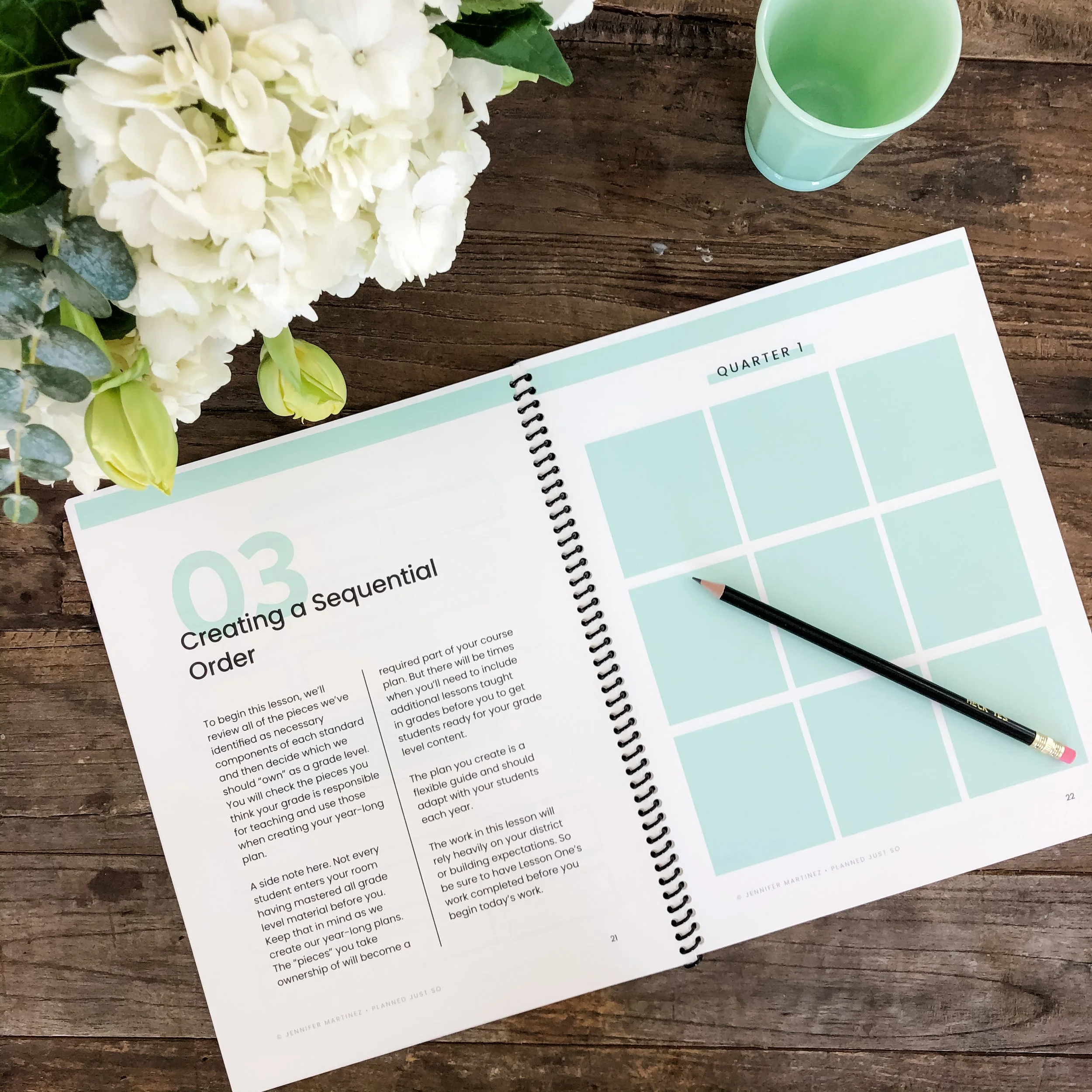
MODULE THREE
Designing Assessments & Coherent Learning Plans
Plan with intention—not just to teach, but to measure understanding. This module helps you design performance tasks that matter, build assessments that make sense, and create daily lessons that ladder up to something meaningful.
3.1 – Design Authentic Performance Tasks: Create assessments that mirror the real world.
3.2 – Build a Balanced Assessment Plan: Use data smartly with a clear plan for formative and summative checks.
3.3 – Develop Clear Rubrics and Success Criteria: Set expectations that help students and guide your grading.
3.4 – Sequence Learning to Build Understanding: Build your unit like a staircase—step-by-step toward mastery.
3.5 – Use WHERETO to Check Lesson Alignment: A powerful tool to make sure each lesson fits your plan.
3.6 – Build Student Engagement into the Learning Plan: Keep curiosity alive while staying on track.
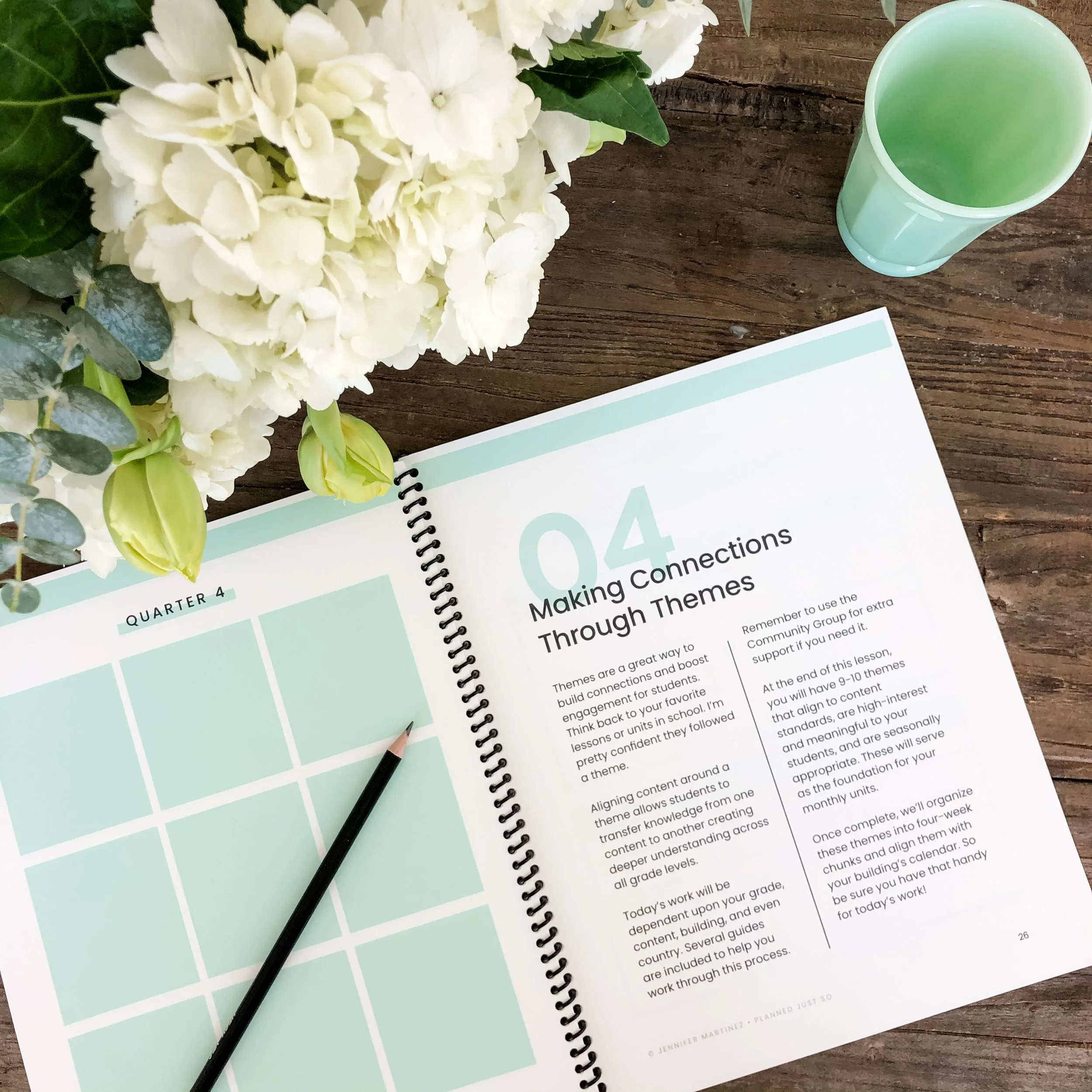
MODULE FOUR
Yearlong Planning for Skill Growth
It’s time to zoom out. This module helps you map the whole year—not just for coverage, but for skill-building, spiraling, and thematic coherence. Get ahead with a big-picture plan that still allows for flexibility and depth.
4.1 – Spiral Skills Across the Year: Revisit key skills at deeper levels over time.
4.2 – Sequence Units for Growth: Order your units to build complexity—not confusion.
4.3 – Balance Review, Projects & Pacing: Avoid burnout by protecting time for deep work.
4.4 – Develop Meaningful Monthly Themes: Create a year that tells a story.
4.5 – Map Standards to Each Unit: Ensure standards coverage without scrambling at the end.
4.6 – Check for Balance: Make sure you hit all the right strands—reading, writing, language, and speaking.
MODULE FIVE
Bring Your Unit to Life: Plan a Week That Flows
Stop planning day by day. This module teaches you how to build a week that clicks—where every lesson serves a purpose and every student move builds toward mastery.
5.1 – Blueprint a Week That Flows: Build a Monday–Friday plan that works like clockwork.
5.2 – Choose an Anchor Text That Works: One text. Multiple lessons. Maximum impact.
5.3 – Mini-Lessons That Matter: Write short, focused lessons that stick.
5.4 – Layer Writing, Talk, and Language: Embed multiple skills—without overwhelming yourself or your students.
5.5 – Routines That Run Themselves: Repeatable moves that deepen thinking and lighten your load.
MODULE SIX
Power Moves with Texts
Pick better texts, teach them smarter, and scaffold like a pro. This module gives you all the tools you need to make mentor texts work harder.
6.1 – What Makes a Mentor Text Worth Teaching: Choose texts that teach, not just entertain.
6.2 – Text-to-Standard Matchmaking: Confidently pair your texts to your goals.
6.3 – Scaffolds That Don’t Water Down: Make texts accessible—without losing rigor.
6.4 – Build a Text Set That Works: Design anchor and partner texts for high-impact learning.

MODULE SEVEN
Planning Through the Science of Reading Lens
Bridge the best of SoR research with practical classroom planning. Whether you're new to SoR or integrating it into upper grades, this module helps you build a balanced, literacy-rich week.
7.1 – SoR, Simplified: Understand what the Science of Reading really means for daily planning.
7.2 – What’s Missing from Most ELA Plans: Find and fix the most common literacy gaps.
7.3 – A Week of Skills, Not Silos: Integrate decoding, fluency, comprehension, and writing seamlessly.
7.4 – Purposeful Routines That Build Literacy: Design literacy routines that do double duty.

MODULE EIGHT
Make It Matter: SEL, Voice, and Meaningful Engagement
Let’s bring heart into planning. In this module, you’ll learn how to embed SEL and student voice into your lessons—without losing focus or structure. Make every student feel seen, heard, and motivated to learn.
8.1 – Plan with Heart: Use low-lift SEL strategies that build trust and connection.
8.2 – Hook Their World: Integrate cultural relevance and student interest into your lessons.
8.3 – Voice & Choice Without Chaos: Offer choice without sacrificing clarity or control.
8.4 – Get Everyone Talking: Design participation routines that engage all learners, every day.

MODULE NINE
Using Scripted Curriculum Without Losing Your Voice
Teaching from a script? You don’t have to lose your creativity. This module helps you personalize, differentiate, and bring student-centered energy into even the most structured curriculum..
9.1 – Crack the Script: Identify where to adapt while staying on pace.
9.2 – Differentiate Without Derailing: Support all learners while following the core plan.
9.3 – Add Voice, Choice & Relevance: Infuse student identity and ownership—without rewriting everything.
9.4 – Manage Pacing Without Panic: Keep things moving, even when you need to go deeper.
9.5 – Document with Confidence: Track and share your adjustments with admin-friendly language.

MODULE TEN
Use Your Data Without Drowning in It
Data doesn’t have to overwhelm. In this module, you’ll learn how to use student work to make small, smart shifts—without creating more work for yourself.
10.1 – Diagnose, Don’t Drown: Analyze data quickly and make it actionable.
10.2 – Pivot Like a Pro: Adjust lessons on the fly while keeping your goals intact.
10.3 – Student Reflection as Data: Use student thinking and self-assessment to guide instruction.
10.4 – The Friday Data Sprint: A 15-minute weekly ritual to stay ahead.

MODULE ELEVEN
Differentiation That Doesn’t Drain You
You don’t need 30 different lesson plans. This module shows you how to differentiate smartly—with routines and structures that work for you and your students.
11.1 – One Goal, Many Paths: Tiered tasks that give all students access and challenge.
11.2 – Small Groups, Big Impact: Plan small group lessons that actually move the needle.
11.3 – Centers That Run Themselves: Set up rotations and routines that make the most of class time.
11.4 – Regroup and Refresh: Simplify your system when it’s not working—without burning out.

MODULE TWELVE
Raising Rigor Without Reinventing the Wheel
Rigor doesn’t mean more work—it means smarter work. Learn how to level up tasks and questions to deepen student thinking.
12.1 – Rigor, Reframed: Know what rigor really looks like.
12.2 – Ask More, Get More: Write better questions that stretch student thinking.
12.3 – Turn Busywork into Brilliance: Upgrade existing tasks to deepen learning.
12.4 – Make Rigor a Routine: Embed challenge into your weekly flow.

MODULE THIRTEEN
Streamline Your Systems
Work smarter—not longer. This module helps you batch your planning, simplify your templates, and build a weekly system that saves time.
13.1 – Batch Like a Boss: Cut planning time in half with strategic batching.
13.2 – What to Batch for Time Back: Focus on the planning tasks with the highest return.
13.3 – Plug-and-Plan Templates: Use customizable tools to protect your flow.
13.4 – Build a Batchable Week: Create repeatable planning rhythms that actually stick.

MODULE FOURTEEN
Tech That Supports Backward Planning
Let tech serve your teaching—not the other way around. This module shows you how to use AI and digital tools ethically and effectively to streamline your backward planning.
14.1 – Build a Smart Tech Stack: Choose the tools that protect your purpose.
14.2 – Use AI to Plan Smarter: Write prompts that co-plan lessons, scaffolds, and assessments.
14.3 – Automate the Right Tasks: Automate low-impact work to free up your brain.
14.4 – Guardrails for Smart, Ethical Tech Use: Keep student privacy and instructional quality front and center.

MODULE FIFTEEN
The Reuse Revolution
Stop reinventing the wheel every year. This module helps you organize, tag, and reuse your best materials—so planning gets easier every time.
15.1 – Curate What Works: Evaluate and store only what’s worth using again.
15.2 – Build a Digital Catalog: Create a searchable, go-to system for all your resources.
15.3 – Tag It to Teach It: Use naming and tagging systems that let you retrieve anything in seconds.
15.4 – Keep It Clean: Maintain your system with a monthly 20-minute reset.

MODULE SIXTEEN
Planning for The Real World
Perfect plans are nice, but real-world plans are what work. This final module helps you simplify, adapt, and protect instruction—even on your hardest days.
16.1 – Just Enough Planning: Create lesson plans that are focused and flexible.
16.2 – Contingency Planning: Build backups for the inevitable curveballs.
16.3 – Sync It Up: Plan across co-teachers and departments without adding extra work.
16.4 – Sub-Proof and Stress-Free: Set up systems that run when you’re out—so you can actually rest.
Included in each module:

Video Trainings
The first step in your work-life transformation. I’ll walk you through each step of unlearning “what we’ve always done” and teach you how to do it a better way - dare I say, the right way.
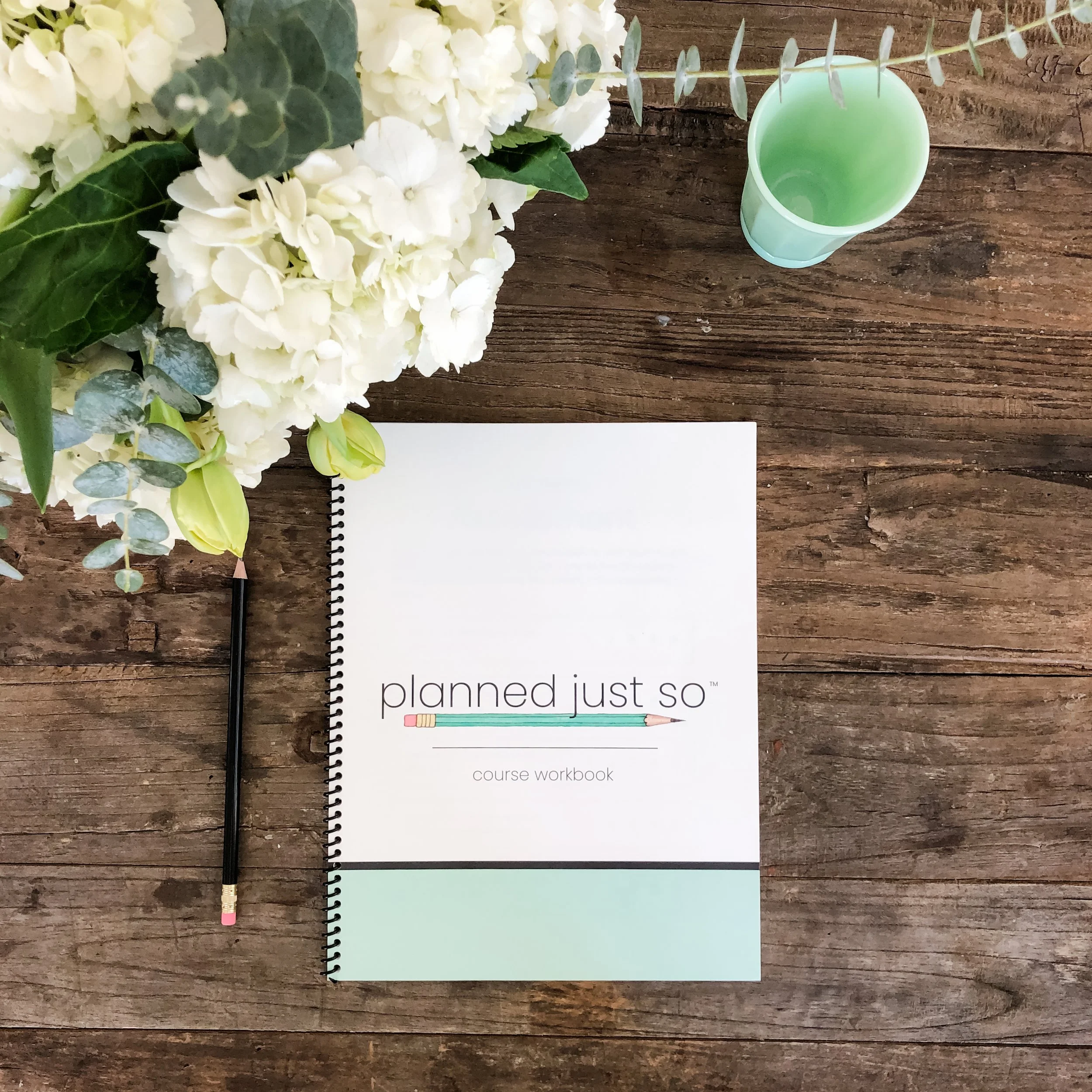
Printable Workbook
A support tool that provides examples, helpful tips, cheat sheets, checklists, and work pages to help you complete each lesson.

Completion Certificate
District requirements vary. Check with your administrator to see if this course meets your professional development requirements.
Need all the help?
Enroll and get access to these bonuses:

Sub Binder
Now that you know how to proactively plan for a sub, you need a tool to house all your classroom, student, and lesson plan information for your substitutes.
Enter the sub binder.
Prep this tool in advance so anyone can walk into your classroom, open it up, and keep your class running like the well-oiled machine that it is.
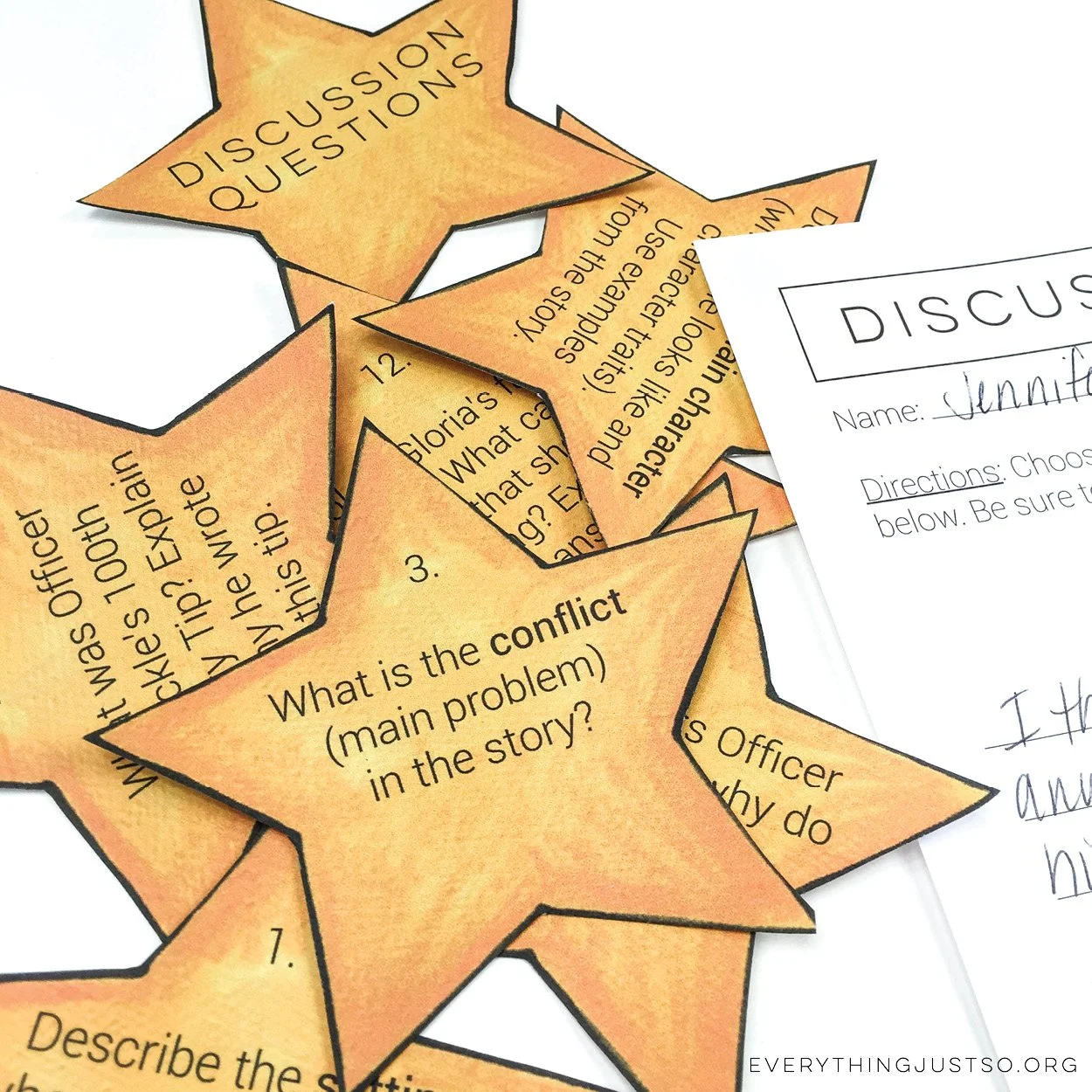
Sub Plans
Your sub binder is prepped with everything a sub might need to know about your classroom, your students, and your routines. But you still need to plan actual lessons.
Not anymore. Multiple days of reading and writing lessons for third, fourth, or fifth grade students ready-to-go. All you have to do is print and place in your prepped sub binder.

Teacher Planner
Includes everything you need to stay on track with planning all year long.
-
Jennifer's course was amazing! I feel this course is the foundation for truly building work-life balance.
Britton, Planned Just So™ student
-
I am looking forward to having my Sundays back and not feeling stressed or overwhelmed... I highly recommend this course for anyone who feels overwhelmed by the planning process.
Misty, Planned Just So™ student
-
Thank you for helping me organize all of the "stuff" I had collected in 5 short years! I feel more alive to show up each week and teach the students.
Julie, Planned Just So™ student
Make this a year of change.
Planned Just So™ is for the upper elementary ELA teacher who's genuinely good at their job and tired of what it costs them. Whether you're building your planning system for the first time or finally fixing one that has never quite worked, this is the method that makes your job sustainable.
Or you can keep doing it the hard way.
Keep wasting your nights and weekends repeating tasks again and again. Prioritize your job over your own life. Become more and more frustrated to the point that you consider leaving the profession you love. You already know how a year like that ends — a little more tired, a little more done.
It doesn't have to be that year again.
Choose your plan:
One Pay
1 payment of $297
12 Modules
4-6 Lessons in each
Lesson videos
Printable workbook
Templates and tools to help complete your work
Completion certificate
Two Pay
2 payments of $150 each
12 Modules
4-6 Lessons in each
Lesson videos
Printable workbook
Templates and tools to help complete your work
Completion certificate
Three Pay
3 payments of $100 each
12 Modules
4-6 Lessons in each
Lesson videos
Printable workbook
Templates and tools to help complete your work
Completion certificate
Frequently Asked Questions
-
Good question! Most of my teaching experience is in third and sixth grades, so the resources I create and ideas I share are geared towards upper elementary students and teachers.
However, the systems I teach can be used in any grade from elementary to college. Many of the resources included can be used in multiple grade levels.
-
After enrolling, you have unlimited access to the course and any updates for as long as you like.
I can’t predict the future, so I can’t promise that you’ll have access for a lifetime. However, I can promise that as long as the course exists, you’ll have access.
-
No, you don’t! After purchasing, you decide when to begin and how quickly (or slowly) to work through each lesson.
-
We want you to be completely satisfied with your purchase. If you’ve truly put in the work and aren’t satisfied with the results, we are happy to refund your purchase within seven days of purchase.
To qualify for a refund:
You must show proof that you did, in fact, put in the work and the systems didn’t work for you.
You must request a refund within 7 days of purchasing the course.
-
Yes! The course doesn’t teach you how to use certain standards or a specific curriculum. Instead, it teaches you how to plan in a way that is streamlined and more effective - no matter the materials you use.