
Teacher and Classroom Organization Help
Learn how to organize teaching resources, create classroom systems, store manipulatives and student supplies, and transition from paper to digital files - all to get organized and stay organized all year long.

Organized Just So™
You've tried to get organized before, but nothing has worked. That's probably because you've focused on your "stuff" and not your systems.
Learn Systems That Work™ to reduce the clutter, streamline your teacher workflow, and keep you organized all year long.
Need quick tips for getting organized?
Learn the basics of organization including starting from scratch, how to organize classroom supplies, and tips for purging teaching materials.
Do you stress about staying organized during holidays and other schedule changes?
Discover tips and tricks for keeping track of all the things no matter the time of year.

Feeling overwhelmed by end-of-year classroom chaos? This post walks you through six teacher-tested strategies to purge, organize, and prep your space before summer. From what to toss to how to get students involved (without losing structure), you’ll find practical tips that save time now—and next fall. Includes a free printable checklist to guide you step-by-step.

Have you been looking for ways to keep your students on task and increase their independence? My Editable Daily Agenda Slides are the answer! They’ll keep students on task, help them develop independence and autonomy, and reduce the amount of writing you do each day.

Are you searching for a way to keep your students on task and increase their independence? What if you could accomplish both and save yourself HOURS of time each week? You can achieve all of the above by using one simple resource.

An organized classroom doesn’t have to be a dream. Yes, organization comes more naturally to some teachers. Just like classroom management or highly interactive lessons come more naturally to some teachers. If organization isn’t your superpower - yet - that just means you need to get intentional about what’s in your classroom. And where it is in your classroom. It’s time to create digital files.

Task cards are incredibly versatile. In fact, they are so versatile that there are probably ways to use task cards you’re not familiar with. Let me share 10 ways to use task cards in your upper elementary classroom.

How can you survive teaching in December with your sanity intact?
I have five FREE resources, tips, and strategies to share with you that will help you get organized and keep things running smoothly during the month of December.

You can’t turn your current space into an organized classroom with systems that work without first going through all you have and purging what you don’t need. A classroom purge that puts you on the road to an organized classroom has three main steps.

Start with these three priorities to get - and stay - organized this school year. Learn ways to organize your “stuff” and your “systems.”

Over the past several years, I’ve heard from hundreds of teachers looking for advice on how to get organized and stay organized all school year long. Many have tried getting organized in the past, but can’t keep it going. Sound familiar?
If you’re trying to unlock the mystery behind getting organized, simplifying your teaching workload, and/or how to work less as a teacher - the key is managing your time. Get control of your time and it will lay the foundation for streamlining every other part of your teaching life including getting organized and staying organized for good.

Systems. The key to achieving order and flow in the classroom. They’re also a foundational need to simplify your teacher workload, saving you time, and staying organized for good.
But what is a system and where should you have one? Let me share with you where I implemented systems in my classroom and how they changed my teacher life.

The Best Six Tricks to Keep You Organized for Good | Feel like you’re drowning in paperwork and classroom materials? Can’t find important resources when you need them? Utilize these simple steps to organize your teaching resources and keep your classroom organized for good. | everythingjustso.org

Determine Importance: Time to Drop What Doesn’t Work | The first step in simplifying your workload as a teacher is to determine importance. Deciding importance will guide all of your decisions as an educator - what you teach, how you teach, the teaching resources you use, and how you spend your time. Dropping what doesn’t work not only simplifies your workload, but also improves your performance as an educator. Guide sheets included help you through the process. | everythingjustso.org

As teachers, we often try to function as islands at school. Doing everything ourselves instead of asking for or accepting help. However, this superwoman mentality can only lead to isolation and burnout. Rather than trying to do it all yourself, utilize these three sources of help to simplify your workload and maintain a work-life balance.

Join me for a blog series on organization. Each week I'll teach you different ways organization can simplify your work life and help bring balance. Learn how to organize daily schedules and routines; teaching resources, and classroom supplies; and how to use best practices for lesson planning. Series includes guide sheets to help you organize it all.
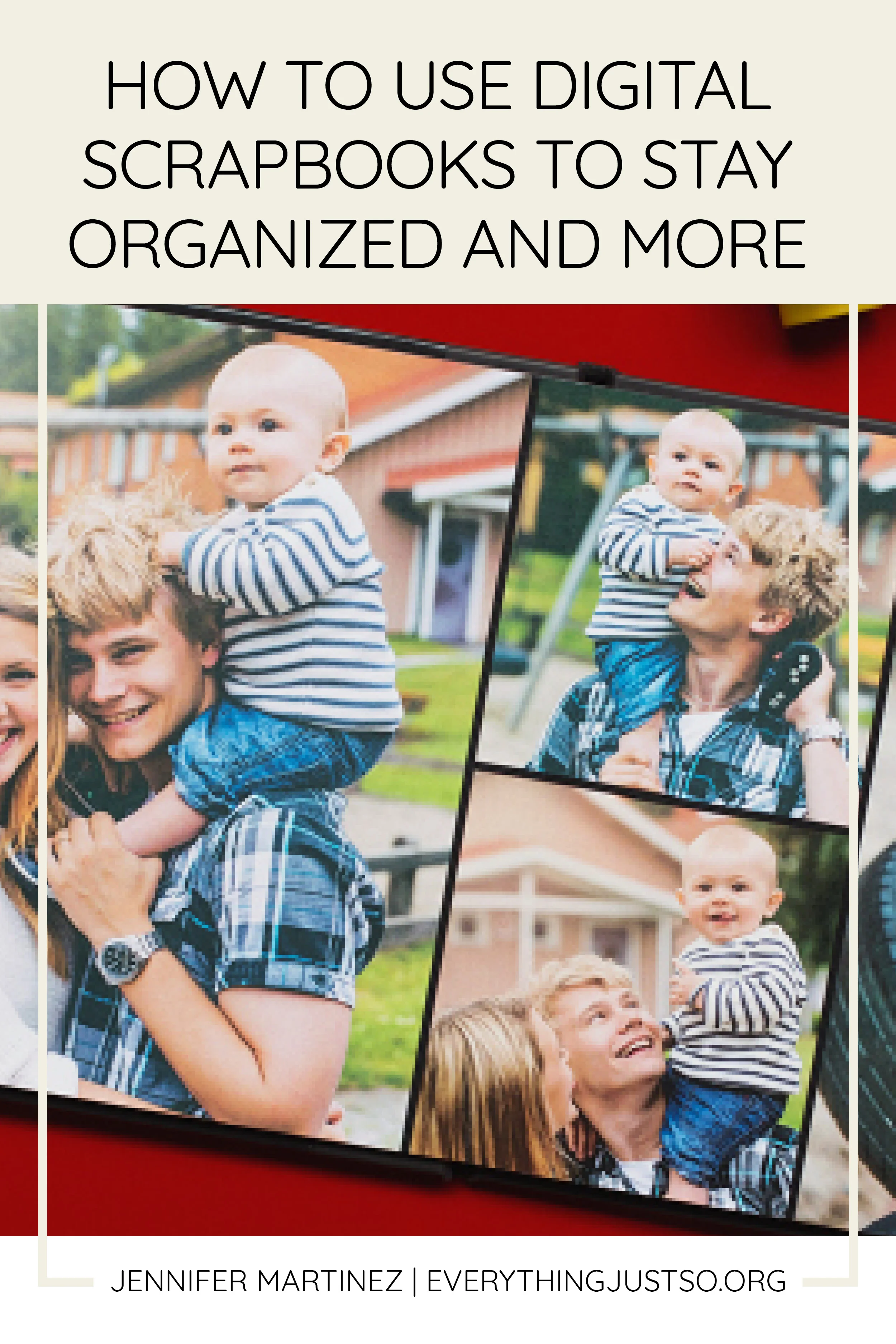
Nine simple unique ways to use digital scrapbooks at the beginning, middle, and end of the school year. Perfect for both student and adult visual learners. Use digital scrapbooks to teach procedures, assist substitutes, wrap-up units, give as gifts, and so much more.
Popular organization posts:

Before you make your classroom cute, set up the systems that run it. Here’s the simple test for which routines actually save you time all year, plus the four to build first.

A letter to my first-year teacher self, and to anyone dreading the first month of school. Five honest lessons on starting the year strong without burning out.
Feeling overwhelmed by end-of-year classroom chaos? This post walks you through six teacher-tested strategies to purge, organize, and prep your space before summer. From what to toss to how to get students involved (without losing structure), you’ll find practical tips that save time now—and next fall. Includes a free printable checklist to guide you step-by-step.

The end of the school year is the perfect time to show appreciation for the students, parents, colleagues, and support staff who made your year meaningful. This post shares creative, low-cost, and heartfelt gift ideas—including free printables—for each group. From student reading kits to thank-you notes for staff, you’ll find thoughtful, easy-to-implement ways to close out the year with gratitude (and minimal stress).

Worried about summer learning loss? This post is packed with practical, engaging, and free activities to help families and teachers prevent the summer slide. From daily reading strategies to creative writing, this post offers detailed, actionable ideas that support continued growth all summer long—without the stress. Perfect for teachers looking to empower parents or send students off with confidence.

Preparing students for standardized tests doesn’t have to mean endless drills and last-minute cramming. This blog post explores simple, stress-free strategies to seamlessly integrate test prep into everyday lessons. Learn how to embed test-style questions naturally, reinforce academic vocabulary, and build students' confidence without sacrificing engagement.

Feeling overwhelmed by the thought of returning to school after winter break? With just a few simple, high-impact tasks, you can set yourself up for a smooth and stress-free January. From quick pre-break prep to actionable strategies for your first week back, this guide is packed with tips to simplify your classroom reset and help you focus on what matters most: teaching with ease and confidence.

Discover 4 simple reading strategies to re-engage students after winter break! From new book ideas and fun reading challenges to interactive read-alouds and group projects, these classroom tips will help students rebuild their love for reading. Plus, grab free resources to make implementation even easier!

Unlock the secret to keeping your classroom learning-focused during the festive season with our top five strategies. Discover how to blend holiday excitement with educational rigor and keep your students thoroughly engaged. Plus download a free resource that will help you master the holiday teaching challenge!

You made it to the end of the school year with your students. Let’s make sure it ends on a positive note. I have five tips and activities for the end of the year that are easy to implement, involve little to no prep, and will put smiles on the faces of you and your students.

Discover how to engage students with project-based learning at the end of the school year. Learn tips for creating interdisciplinary, meaningful projects that celebrate learning and growth.

Don't let snow days throw your ELA curriculum off course. Discover five adaptive planning strategies to maintain student engagement and lesson momentum through winter's unpredictable weather. From quick shifts to emergency kits, this guide offers practical tips for upper elementary teachers to keep the pages turning and the learning consistent, even when the weather outside is frightful.
Make achieving your first week of school goals - building community, establishing routines, and getting to know your students - easier with five ready-to-go resources.

Close reading lessons are more effective when teachers use resources specifically designed for close reading practice. Learn how non-fiction seasonal close reading resources allow students to celebrate school holidays while practicing important reading skills.

Bring rigor to your Valentine’s Day lessons with a mini-unit on the history of chocolate. Incorporate meaningful and engaging teaching resources during school holidays through thematic nonfiction units that teach important reading skills while students learn about the history of a holiday.

This free tool is the perfect resource for boosting positivity and is one of the easiest classroom management strategies I’ve used. It’s easy to implement and super effective in turning students’ attention to others during the holidays.

Let me help take some of the overwhelm out of the holiday season in your classroom. I have organization tips, writing activities, and holiday activities perfect for your upper elementary students.
Read on as I take you through five teaching resources that will help save your sanity and keep your students engaged this holiday season.
How can you survive teaching in December with your sanity intact?
I have five FREE resources, tips, and strategies to share with you that will help you get organized and keep things running smoothly during the month of December.

Taking time to rest and recharge is so important. I hope you’ve taken that time for yourself during these summer months. Giving yourself time and space to process and reflect on this past school year - as well as time to think about anything but teaching - is essential to your well-being as a teacher. But… there is another gift you need to give yourself during this time away from the classroom - the gift of a smooth start.
Every teacher wants to start the school year feeling prepared, organized, and in control. And that means setting up systems at the beginning of the year so the rest of the year runs smoothly. Today, we’re talking about three systems to put in place now to help start your school year off on the path to success.

Women’s history shouldn’t be taught in March alone. Instead, help students celebrate the achievements of women all year long with this list of 180 children’s books.

November and the holiday of Thanksgiving provide the perfect opportunity for sneaking in lessons about thankfulness. This simple exercise will kickstart a process that you can repeat all year long.
It’s easy to choose cute over substance when celebrating school holidays. But our students deserve more. Here are three reasons why choosing substance over fluff is always better when celebrating holidays in the upper elementary classroom. Plus help finding teaching resources to bring both meaning and fun when planning holiday activities throughout the year.

April is National Poetry Month. Whether you’re looking for fresh ideas to use in the month of April or all through the year, these ten simple resources will help encourage a love of poetry in your upper elementary students. Use these popular children’s books, teaching resources, and other materials to broaden students understanding and appreciation of poetry.

On Read Across America Day, move the focus from Dr. Seuss Week to its intended purpose – encouraging students to celebrate reading. Rather than focusing on one author, it’s the perfect time to create a reading day for exploring diverse children’s literature from multiple writers. Here’s how I celebrated Read Across America in my upper elementary classroom in the simplest, but most effective way.
Popular seasonal posts:
Before you make your classroom cute, set up the systems that run it. Here’s the simple test for which routines actually save you time all year, plus the four to build first.